Can Psychedelics Help Heal PTSD? A Look at the Latest Research with Veterans
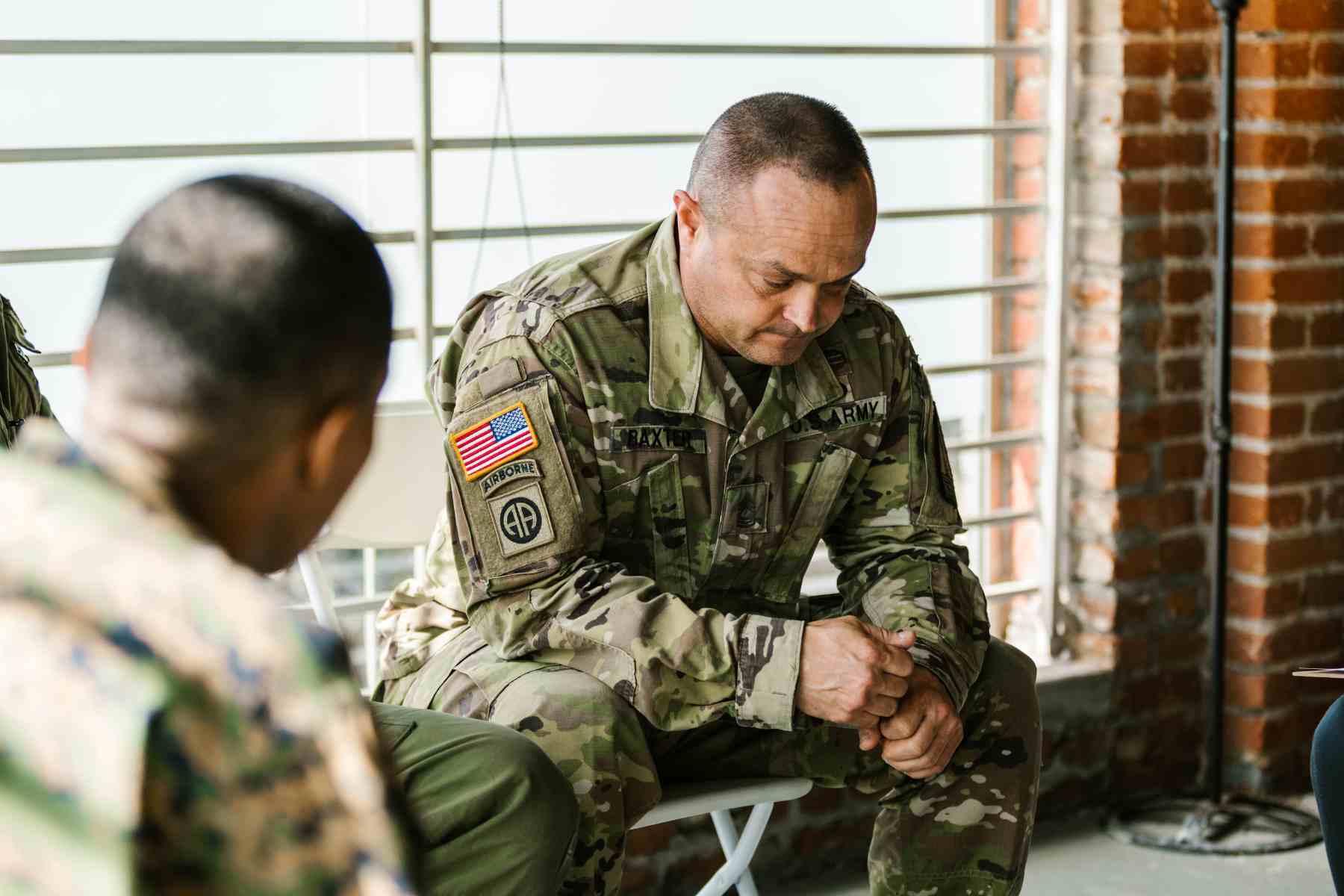
The nightmares won't stop. The hypervigilance. That constant feeling like you're still in combat mode, even though you've been home for years. Sound familiar?
Maybe you've tried everything—therapy, meds, support groups—and you're still struggling. You've heard whispers about psychedelics helping other vets, but it sounds too good to be true. Or maybe too "out there" for someone like you.
Here's the thing: you're not crazy for being curious. You're actually ahead of the curve.
The VA just announced historic funding for psychedelic research. Scientists are studying how MDMA, psilocybin, and 5-MeO-DMT could revolutionize PTSD treatment. Real data. Real veterans. Real breakthroughs.
This isn't some hippie nonsense. It's cutting-edge science meeting ancient wisdom, and it's giving veterans their lives back. Want to know what the research actually shows? Let's start.
Understanding PTSD in Veterans
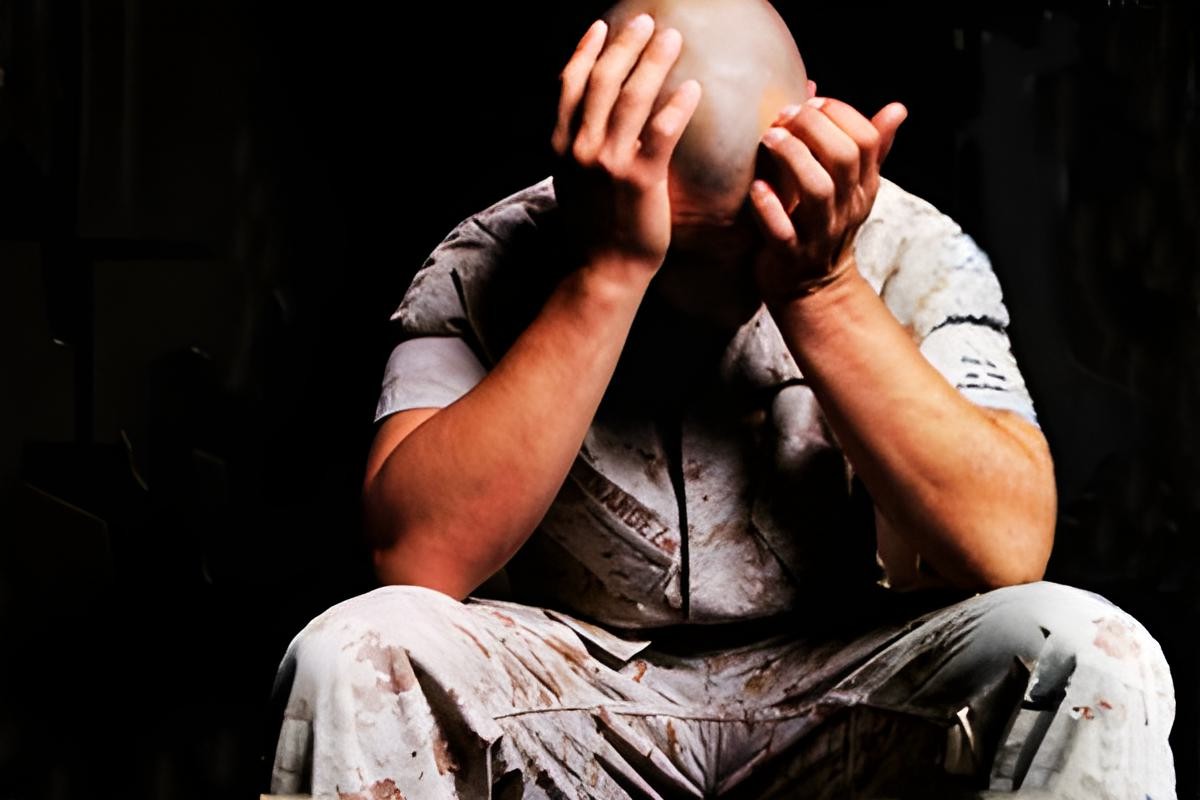
You've been home for months, maybe years. But part of you never left the battlefield. That's the cruel reality of post-traumatic stress disorder for veterans with PTSD.
The numbers are staggering. Nearly 30% of veterans who served in Iraq and Afghanistan develop PTSD. That's almost one in three. Compare that to 3-4% in the civilian population. Why such a massive difference?
Combat changes your brain. Literally. The constant threat rewires your survival instincts. Your amygdala—that's your brain's alarm system—gets stuck in overdrive. Every loud noise becomes a potential danger. Every crowded space feels like an ambush waiting to happen.
Traditional treatments for PTSD? They work for some. Cognitive processing therapy helps about 50% of veterans. But here's what nobody talks about: that means half don't get better.
Antidepressants? Same story. And the dropout rates? Through the roof—up to 35% bail on therapy for PTSD before finishing.
Maybe you're one of the "treatment-resistant" ones. Hate that label? You should. It makes it sound like you're the problem. You're not. The treatments are failing you, not the other way around.
Learn the neuroscience behind 5-MeO-DMT.
What Are Psychedelic-Assisted Therapies?
Forget everything you think you know about psychedelic drugs. This isn't about getting high or escaping reality. Psychedelic-assisted therapy is medicine meets mindfulness, wrapped in world-class health care.
Here's how it works: psychedelic compounds like MDMA, psilocybin, and 5-MeO-DMT temporarily alter your consciousness. But—and this is crucial—they do it while you're in therapy sessions with trained professionals. It's the combination that creates therapeutic benefits.
Think of it like this: if trauma is a locked door in your mind, these medicines are the key. The therapy? That's learning how to walk through that door safely.
The Multidisciplinary Association for Psychedelic Studies pioneered this approach. They spent decades proving what indigenous cultures knew for centuries: these aren't just drugs. They're tools for healing.
Set and setting matter more than the substance itself. "Set" means your mindset going in. "Setting" means the physical space and people supporting you. Get those right, and you're not taking drugs—you're doing deep, transformative work.
MDMA-Assisted Therapy for Veteran PTSD
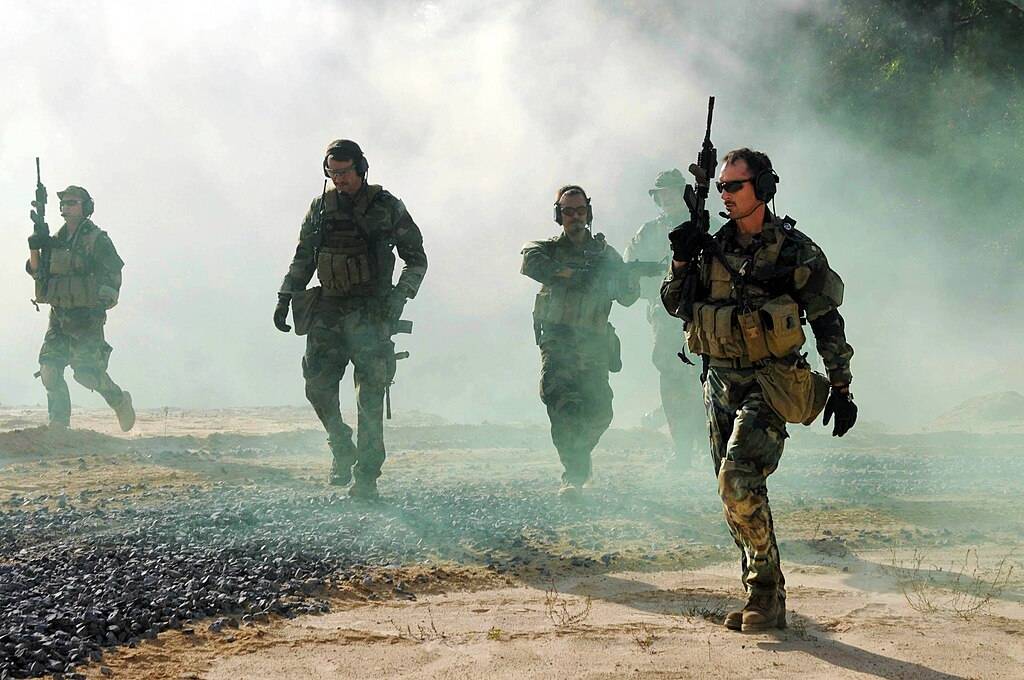
MDMA isn't ecstasy from a rave. In therapeutic settings, it's a completely different animal.
Here's what happens in your brain: MDMA floods your system with serotonin and oxytocin. Suddenly, you can revisit trauma without the fear response hijacking everything. You're still you, but the emotional volume gets turned down just enough to process what happened.
The clinical trial results? Mind-blowing. In Phase 3 trials, 67% of participants no longer qualified for a PTSD diagnosis after treatment. Let that sink in. Two-thirds of people who'd tried everything else found freedom.
The protocol is intense but manageable. Three eight-hour sessions, spaced a month apart. Between sessions? Regular therapy to integrate what comes up. No shortcuts, no magic bullets—just hard work with unprecedented support.
Veterans in these trials reported something surprising: they could finally feel compassion for themselves. One Marine described it as "seeing my younger self in that Humvee and wanting to protect him instead of hate him."
Side effects exist. Temporary increases in blood pressure, jaw clenching, sometimes nausea. But compared to years of SSRIs? Most veterans say it's worth it.
Psilocybin Research for Trauma
Psilocybin—the active compound in magic mushrooms—works differently than MDMA. Where MDMA opens your heart, psilocybin opens your mind.
Current research shows promise for treating PTSD alongside depression. Johns Hopkins found that just two doses created lasting improvements in treatment-resistant depression. The kicker? Benefits lasted up to a year.
During a psilocybin session, veterans report experiencing their trauma from a "bird's eye view." One Army veteran described watching his IED explosion like a movie: "I could see it all happening, but I wasn't trapped in it anymore."
The mechanism is fascinating. Psilocybin basically hits the reset button on your default mode network—the brain patterns that keep you stuck in negative loops. It's like defragging a computer, but for your consciousness.
Sessions last 6-8 hours. You're not talking the whole time. Much of the work happens internally, with therapists there to support when needed. Integration afterward is where the real healing crystallizes.
Learn more how different psychedelics compare.
5-MeO-DMT: The Emerging Third Option
Now we're talking about the new frontier. 5-MeO-DMT isn't DMT—it's a completely different molecule with unique properties that make it especially promising for veterans.
Unlike its cousin DMT, 5-MeO-DMT creates little to no visual experience. Instead? Complete ego dissolution. You become one with everything. Sounds woo-woo? The science says otherwise.
Special Operations veterans in Mexico showed remarkable results. We're talking significant improvements in PTSD, depression, anxiety, and—this is huge—cognitive function. Those post-concussive symptoms that fog your brain? 5-MeO-DMT seems to clear them.
Learn more about 5-MeO-DMT and its mechanisms of action for PTSD.
The experience lasts 15-45 minutes. That's it. Compare that to 8 hours with MDMA or psilocybin. For veterans juggling work and family, that's a game-changer.
Here's what makes it special: the combination of rapid onset, short duration, and profound impact. Veterans describe it as "a lifetime of therapy in 20 minutes." The psychological flexibility it creates—the ability to adapt and respond rather than react—that's what sticks around long after.
Current access? Limited. The Department of Veterans Affairs isn't studying it yet. But clinics in Mexico, Costa Rica, and Portugal offer supervised experiences. Is it ideal? No. Is it helping veterans who can't wait for FDA approval? Absolutely.
Comparing Treatment Approaches: Which Is Right for You?
Let's cut through the confusion. Three medicines, three different tools for healing. Which one fits your situation?
MDMA works best for relational trauma. If your PTSD stems from betrayal, moral injury, or loss of squad members, MDMA's heart-opening qualities shine. Sessions are long but gentle. You'll need 3-4 months for the full protocol.
Psilocybin excels at shifting perspective on events. IED survivors, combat veterans with survivor's guilt—psilocybin helps reframe the narrative. Two sessions typically, with deep internal work.
5-MeO-DMT? That's the nuclear option for stuck patterns. When nothing else has worked, when you need a complete reset, 5-MeO delivers. Quick, intense, effective. Best for veterans comfortable with intensity who need rapid results.
Consider your support system too. MDMA requires the least integration support. Psilocybin needs moderate follow-up. 5-MeO-DMT? You'll want solid integration help to make sense of the experience.
Legal status varies wildly. MDMA's closest to FDA approval. Psilocybin's legal in Oregon and Colorado. 5-MeO-DMT remains in legal grey areas outside the U.S.
Which medicine is right for you?
The VA's Groundbreaking Shift
January 2024 marked a turning point. The Department of Veterans Affairs announced funding for psychedelic research—first time since the 1960s.
Why now? Simple. Nothing else is working well enough. Suicide rates among veterans remain stubbornly high. Traditional treatment options plateau around 50% effectiveness. The VA finally admitted what veterans have known for years: we need better solutions.
The announcement covers MDMA and psilocybin studies. Not 5-MeO-DMT yet, but it's a start. Research will happen at VA facilities with VA doctors. That's huge for reducing stigma and increasing access.
Timeline? Optimistically, 2-3 years for initial results. FDA approval could follow by 2026-2027 if trials succeed. Sounds far away? Consider that evidence-based treatments typically take 15-20 years to reach veterans. This is lightning speed.
What's this mean for you? More treatment options coming, but not tomorrow. If you're suffering now, waiting might not be realistic. That's why understanding all options—including those available today—matters.
The Treatment Process

Ready to explore psychedelic therapy? Here's exactly what to expect.
First comes screening. Medical history, psychiatric evaluation, medication review. Not everyone qualifies. Active psychosis, certain heart conditions, some medications—these rule you out. It's for safety, not gatekeeping.
Explore our detailed 5-MeO-DMT ceremony guide for the complete process.
Preparation phase spans 2-3 sessions. You'll explore intentions, fears, and goals. Your therapist teaches coping techniques for difficult moments. This isn't casual—it's training for deep work.
Medicine day arrives. For MDMA or psilocybin, block out 6-8 hours. You'll lie down, eye shades on, music playing. Two therapists stay present throughout. 5-MeO-DMT? Same setup, but 45 minutes max.
The experience varies wildly. Some veterans process specific traumas. Others have mystical experiences. Some just feel profound peace. There's no "right" way—your psyche knows what you need.
Integration starts immediately. The real work happens here, making sense of insights and applying them to daily life. Four to six sessions minimum, more if needed. Skip this step? You're wasting the medicine.
Preparing for Treatment: A Veteran's Guide
Preparation separates transformation from just another treatment. Here's your tactical checklist. Here's your preparation guide with specific steps.
Medications need attention. SSRIs, benzos, and certain other drugs don't mix with psychedelics. Tapering takes time—usually 4-6 weeks minimum. Work with a psychiatrist who understands. Cold turkey isn't heroic; it's dangerous.
Physical prep matters. These medicines tax your system. Get your sleep sorted. Cut alcohol for at least two weeks prior. Exercise regularly—it helps with the intensity.
Tell your support system something. You don't need to share everything, but having someone know you're doing deep work helps. "I'm trying a new intensive therapy" works fine.
Legal considerations depend on location. Research participation? You're covered. Traveling to Oregon or internationally? Different story. Know the laws where you live.
Clear your schedule after. You'll need integration time. Taking leave? "Medical procedure" is technically accurate and maintains privacy.
Integration: The Critical Missing Piece
.jpg)
Here's what most people get wrong: the medicine is maybe 20% of the healing. Integration support is the other 80%. Here's how to make sense of your experience.
Think of psychedelic experiences like intel gathering. Integration is analyzing that intel and creating actionable plans. Skip it, and you've got useless information.
Good integration helps you understand what emerged, connect insights to daily life, and create sustainable changes. It's where "I saw I need to forgive myself" becomes actually forgiving yourself.
Find integration specialists who understand veterans. Civilian therapists might not grasp military culture, moral injury, or combat trauma. Veteran-specific groups exist online and in major cities.
Self-integration tools: journaling, meditation, time in nature. Simple but powerful. Some veterans find art or music helps express what words can't capture.
Red flags? Anyone promising instant cures or pushing more medicine without integration. If they're not interested in the work between sessions, run.
Safety and Medical Supervision
Let's address the elephant: are psychedelic compounds safe for treating PTSD?
In clinical settings with medical supervision? Remarkably safe. Tandava's medical supervision standards exceed typical retreat protocols. Thousands of doses administered in trials, minimal serious adverse events. Compare that to SSRIs' side effect profiles—sexual dysfunction, weight gain, emotional numbing lasting years.
Physical risks exist but are manageable. Blood pressure spikes, heart rate increases, potential for psychological distress during sessions. That's why medical screening matters. That's why trained professionals stay present.
Psychological risks? Real but overblown. "Bad trips" happen, but with proper support, they often become the most therapeutic experiences. One veteran described his difficult session: "I faced the demon that's haunted me for ten years. Yeah, it sucked. But now it's gone."
Underground or unsupervised use? Different story entirely. Without screening, preparation, and integration, you're rolling dice with your mental health. Not worth it when legal options exist.
Red Flags and What to Avoid
The psychedelic therapy gold rush attracts predators alongside healers. Here's how to spot the difference.
Instant cure promises? Run. Anyone claiming one session fixes everything either doesn't understand trauma or doesn't care about your wellbeing. Healing happens, but it takes work.
No medical screening? Massive red flag. Legitimate providers spend hours ensuring you're a good candidate. If they'll give medicine to anyone with cash, they're dangerous.
Sketchy credentials matter. "Shaman" isn't a licensed healthcare profession. Energy healer? Not for trauma work. Look for licensed therapists with additional psychedelic training.
Inappropriate boundaries scream danger. Sexual advances, personal agenda pushing, or cult-like dynamics have no place in therapeutic settings. Trust your gut—if something feels off, it probably is.
Underground circles might seem appealing—no waiting, less expensive. But without proper support, you're risking retraumatization. Veterans deserve better than basement ceremonies.
Find integration specialists who understand veterans. Civilian therapists might not grasp military culture, moral injury, or combat trauma. Tandava's team is highly experienced in working with combat-related PTSD.
Things to know before going on a retreat.
Real Results: What the Data Shows
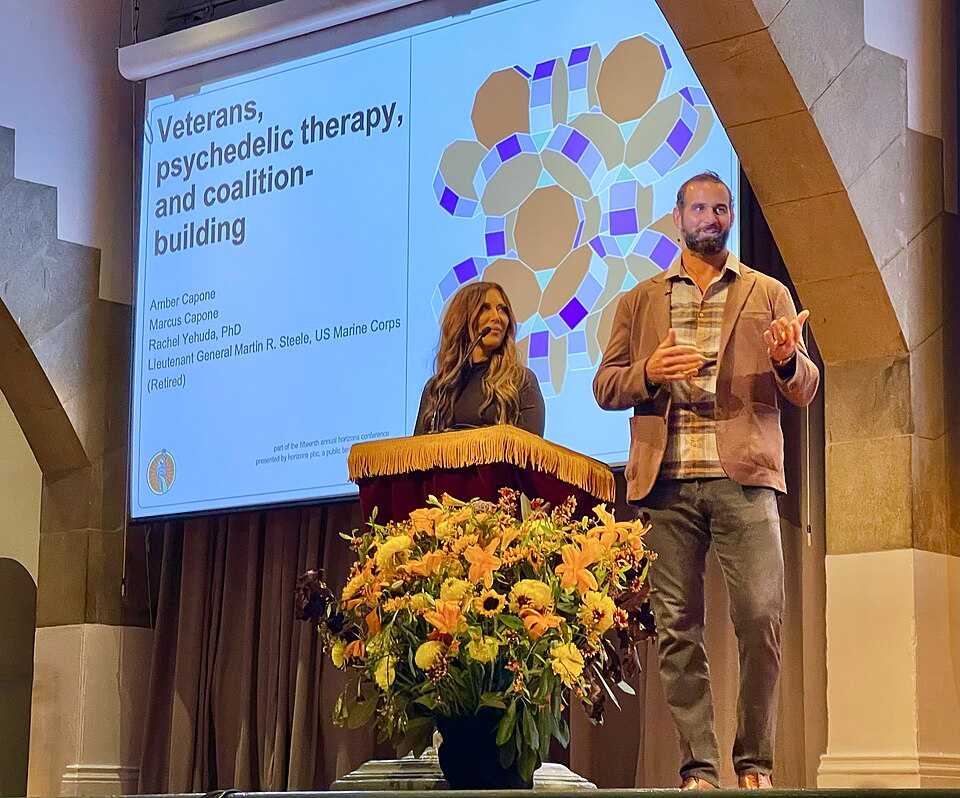
Numbers don't lie. Let's look at what clinical trials actually found.
MDMA-assisted therapy: 67% of participants no longer met PTSD criteria after treatment. Compare that to 32% with therapy alone. That's not incremental improvement—that's breakthrough territory.
Depression scores? Dropped by 50% or more for most participants. Anxiety followed similar patterns. But here's the kicker: improvements lasted. Follow-up studies show benefits maintaining at 12+ months.
Special Operations veterans using 5-MeO-DMT showed even more dramatic results. Cognitive function improved alongside PTSD symptoms. These weren't young troops—average age over 40, dealing with decades of compounded trauma.
Quality of life measures tell the real story. Veterans report better sleep, improved relationships, return to work, and—this one hits hard—actually wanting to live again. Not just surviving. Thriving.
The data shows what veterans have suspected: traditional approaches help some, psychedelic-assisted therapy helps more. Not everyone responds, but response rates double or triple conventional treatments.
The Financial Reality: Costs and Coverage
Let's talk money—the barrier nobody wants to discuss.
Current costs? MDMA therapy protocols run $7,000-$15,000. Psilocybin retreats start around $5,000. 5-MeO-DMT experiences range from $2,000-$8,000 depending on location and support level.
Insurance coverage? Nearly non-existent currently. The VA doesn't cover psychedelic treatments yet. Private insurance follows FDA approval, meaning nothing until 2026 at earliest.
But perspective matters. Calculate your current treatment costs: therapy copays, medication costs, lost work time, relationship strain. Many veterans spend more managing PTSD annually than psychedelic treatment costs total.
Nonprofit support exists. Heroic Hearts Project, Veterans Exploring Treatment Solutions, and others offer grants or subsidized access. Not enough funding for everyone, but worth applying.
Hidden costs add up. Travel to legal locations, time off work, integration support. Budget 20-30% above advertised prices for real total investment.
Is it fair? Hell no. Veterans shouldn't pay out-of-pocket for service-connected trauma treatment. But waiting for systemic change while suffering? That's not practical for many.
See Tandava's pricing structure and available support options.
Challenges and Limitations
Real talk: psychedelic therapy isn't perfect. Understanding limitations prevents disappointment.
Not everyone responds. While success rates beat traditional treatments, 20-30% don't experience significant improvement. We don't fully understand why yet. Brain chemistry? Trauma type? Readiness? Research continues.
Limited veteran representation in trials frustrates everyone. Most studies included primarily civilians. Military trauma differs from car accidents or childhood abuse. Veteran-specific research desperately needs funding.
Access remains abysmal. Even in legal states, finding veteran-competent psychedelic therapists proves challenging. Rural veterans? Nearly impossible without significant travel.
The therapist shortage looms large. Properly trained providers can't meet current demand, much less future needs when FDA approval comes. Training programs exist but can't scale fast enough.
Some veterans struggle with the experience itself. Losing control, even therapeutically, triggers combat conditioning. Surrendering to medicine feels like defeat. It's not, but try explaining that to survival instincts.
Special Considerations
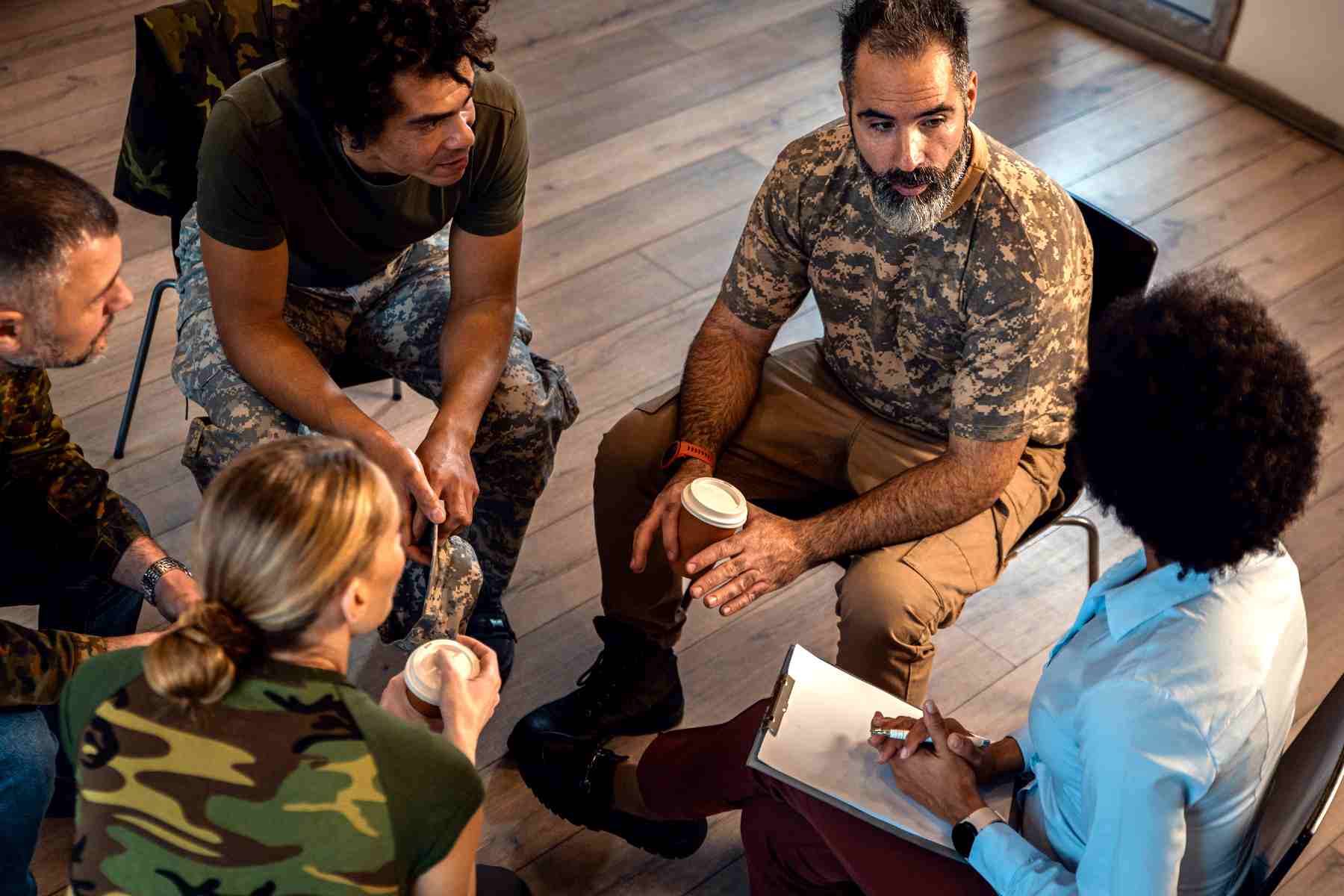
Military service creates unique considerations for psychedelic therapy. Let's address them honestly.
Military Sexual Trauma (MST) survivors need specialized approaches. The vulnerability required in psychedelic states can retrigger assault trauma without proper support. Seek providers experienced with MST specifically.
Moral injury differs from PTSD. Killing in combat, civilian casualties, following orders that violated your values—these wounds need different healing. MDMA shows particular promise here, allowing self-forgiveness.
Traumatic brain injury (TBI) complicates everything. Multiple concussions change how brains process psychedelics. Start with lower doses. Consider 5-MeO-DMT's cognitive benefits. Always disclose TBI history during screening.
Security clearance concerns keep many veterans underground. Currently, legal participation in FDA trials or state-sanctioned programs shouldn't affect clearances. Key word: legal. Document everything properly.
Active duty status? Forget it for now. Military prohibits psychedelic use regardless of circumstances. Wait until separation or retirement. Harsh but reality.
Alternative and Complementary Approaches
Psychedelics aren't the only innovation in trauma treatment. Understanding the full landscape helps informed decisions.
Ketamine offers legal, immediate relief for many veterans. IV infusions provide rapid depression improvement. Not as transformative as classic psychedelics, but accessible now through VA and private clinics.
Stellate ganglion block—basically anesthetic injected into neck nerves—shows surprising PTSD improvement. Quick procedure, moderate results. Worth trying before international psychedelic travel.
EMDR (Eye Movement Desensitization and Reprocessing) helps some veterans process trauma without substances. Weird but evidence-based. Combines well with psychedelic work.
Somatic therapies recognize trauma lives in the body. Yoga, breathwork, massage—these aren't just relaxation. They're trauma release techniques that enhance psychedelic integration.
Float tanks, neurofeedback, even wilderness therapy show promise. None match psychedelic impact alone, but combining approaches creates synergy. Your healing deserves every tool available.
Getting Access: Current Options
Ready to explore treatment? Here are realistic pathways available today.
Clinical trials offer free treatment with world-class support. MAPS, Johns Hopkins, NYU, and others recruit veterans regularly. Downside? Strict criteria and potential placebo assignment.
State-legal programs in Oregon and Colorado provide psilocybin access. Expensive but above-board. Facilitator quality varies—research thoroughly.
International clinics operate legally in Mexico, Costa Rica, Jamaica, and elsewhere. Established ones like Beond or Field Trip Health maintain high standards. Newer operations? Investigate carefully.
Underground networks exist everywhere. Some guides are incredible healers. Others are dangerous amateurs. Without recommendations from trusted veterans, risks outweigh benefits.
Retreats specifically for veterans offer peer support alongside medicine. Heroic Hearts Project runs programs internationally. Veterans find comfort healing among those who understand combat.
Whatever path you choose, never go alone. Have someone tracking your whereabouts. Research providers obsessively. Trust your instincts about people and places.
The Road Ahead
The future of psychedelic therapy for veterans looks brighter than any moment since the 1960s. But change takes time.
FDA approval timelines suggest 2026-2027 for MDMA, slightly later for psilocybin. 5-MeO-DMT lags without major pharmaceutical backing. Frustrating but movement continues.
VA implementation will follow FDA approval—eventually. Bureaucracy moves slowly, but veteran advocacy accelerates change. Keep pushing representatives. Share your story. Demand better.
Training programs for therapists expand monthly. Universities add psychedelic therapy certificates. The infrastructure builds now for future demand.
Insurance coverage will transform access. Once FDA approves, pressure mounts on insurers. VA coverage follows. Suddenly, healing becomes affordable for thousands.
The stigma fades daily. Each veteran who heals and speaks out changes minds. Command structures notice improved troops. Families see loved ones return. Culture shifts through courage.
Your role? Stay informed. Share responsibly. Support fellow veterans exploring these medicines. The old guard resists, but we've breached harder defenses. This battle for better treatment options? We're winning.
Your Path Forward Starts Here
Look, if you're reading this and thinking, "I've tried everything—nothing's worked, why would this be different?"—I get it. That weight you're carrying? It's real. And you're tired of people who don't understand telling you it'll get better.
But here's what you've learned today: the research on psychedelics and PTSD isn't just promising—it's showing real results for veterans like you. We're talking about actual neural pathways changing, trauma memories losing their grip, and people finally sleeping through the night again.
You don't have to keep white-knuckling your way through every day. There's a door opening—one backed by science, guided by experts who understand combat trauma, and walked through by veterans who've come out the other side.
They're not just surviving anymore. They're living. Laughing. Connecting with their families again.
That could be you. Schedule a discovery call
The nightmares won't stop. The hypervigilance. That constant feeling like you're still in combat mode, even though you've been home for years. Sound familiar?
Maybe you've tried everything—therapy, meds, support groups—and you're still struggling. You've heard whispers about psychedelics helping other vets, but it sounds too good to be true. Or maybe too "out there" for someone like you.
Here's the thing: you're not crazy for being curious. You're actually ahead of the curve.
The VA just announced historic funding for psychedelic research. Scientists are studying how MDMA, psilocybin, and 5-MeO-DMT could revolutionize PTSD treatment. Real data. Real veterans. Real breakthroughs.
This isn't some hippie nonsense. It's cutting-edge science meeting ancient wisdom, and it's giving veterans their lives back. Want to know what the research actually shows? Let's start.
Understanding PTSD in Veterans
You've been home for months, maybe years. But part of you never left the battlefield. That's the cruel reality of post-traumatic stress disorder for veterans with PTSD.
The numbers are staggering. Nearly 30% of veterans who served in Iraq and Afghanistan develop PTSD. That's almost one in three. Compare that to 3-4% in the civilian population. Why such a massive difference?
Combat changes your brain. Literally. The constant threat rewires your survival instincts. Your amygdala—that's your brain's alarm system—gets stuck in overdrive. Every loud noise becomes a potential danger. Every crowded space feels like an ambush waiting to happen.
Traditional treatments for PTSD? They work for some. Cognitive processing therapy helps about 50% of veterans. But here's what nobody talks about: that means half don't get better.
Antidepressants? Same story. And the dropout rates? Through the roof—up to 35% bail on therapy for PTSD before finishing.
Maybe you're one of the "treatment-resistant" ones. Hate that label? You should. It makes it sound like you're the problem. You're not. The treatments are failing you, not the other way around.
Learn the neuroscience behind 5-MeO-DMT.
What Are Psychedelic-Assisted Therapies?
Forget everything you think you know about psychedelic drugs. This isn't about getting high or escaping reality. Psychedelic-assisted therapy is medicine meets mindfulness, wrapped in world-class health care.
Here's how it works: psychedelic compounds like MDMA, psilocybin, and 5-MeO-DMT temporarily alter your consciousness. But—and this is crucial—they do it while you're in therapy sessions with trained professionals. It's the combination that creates therapeutic benefits.
Think of it like this: if trauma is a locked door in your mind, these medicines are the key. The therapy? That's learning how to walk through that door safely.
The Multidisciplinary Association for Psychedelic Studies pioneered this approach. They spent decades proving what indigenous cultures knew for centuries: these aren't just drugs. They're tools for healing.
Set and setting matter more than the substance itself. "Set" means your mindset going in. "Setting" means the physical space and people supporting you. Get those right, and you're not taking drugs—you're doing deep, transformative work.
MDMA-Assisted Therapy for Veteran PTSD
MDMA isn't ecstasy from a rave. In therapeutic settings, it's a completely different animal.
Here's what happens in your brain: MDMA floods your system with serotonin and oxytocin. Suddenly, you can revisit trauma without the fear response hijacking everything. You're still you, but the emotional volume gets turned down just enough to process what happened.
The clinical trial results? Mind-blowing. In Phase 3 trials, 67% of participants no longer qualified for a PTSD diagnosis after treatment. Let that sink in. Two-thirds of people who'd tried everything else found freedom.
The protocol is intense but manageable. Three eight-hour sessions, spaced a month apart. Between sessions? Regular therapy to integrate what comes up. No shortcuts, no magic bullets—just hard work with unprecedented support.
Veterans in these trials reported something surprising: they could finally feel compassion for themselves. One Marine described it as "seeing my younger self in that Humvee and wanting to protect him instead of hate him."
Side effects exist. Temporary increases in blood pressure, jaw clenching, sometimes nausea. But compared to years of SSRIs? Most veterans say it's worth it.
Psilocybin Research for Trauma
Psilocybin—the active compound in magic mushrooms—works differently than MDMA. Where MDMA opens your heart, psilocybin opens your mind.
Current research shows promise for treating PTSD alongside depression. Johns Hopkins found that just two doses created lasting improvements in treatment-resistant depression. The kicker? Benefits lasted up to a year.
During a psilocybin session, veterans report experiencing their trauma from a "bird's eye view." One Army veteran described watching his IED explosion like a movie: "I could see it all happening, but I wasn't trapped in it anymore."
The mechanism is fascinating. Psilocybin basically hits the reset button on your default mode network—the brain patterns that keep you stuck in negative loops. It's like defragging a computer, but for your consciousness.
Sessions last 6-8 hours. You're not talking the whole time. Much of the work happens internally, with therapists there to support when needed. Integration afterward is where the real healing crystallizes.
Learn more how different psychedelics compare.
5-MeO-DMT: The Emerging Third Option
Now we're talking about the new frontier. 5-MeO-DMT isn't DMT—it's a completely different molecule with unique properties that make it especially promising for veterans.
Unlike its cousin DMT, 5-MeO-DMT creates little to no visual experience. Instead? Complete ego dissolution. You become one with everything. Sounds woo-woo? The science says otherwise.
Special Operations veterans in Mexico showed remarkable results. We're talking significant improvements in PTSD, depression, anxiety, and—this is huge—cognitive function. Those post-concussive symptoms that fog your brain? 5-MeO-DMT seems to clear them.
Learn more about 5-MeO-DMT and its mechanisms of action for PTSD.
The experience lasts 15-45 minutes. That's it. Compare that to 8 hours with MDMA or psilocybin. For veterans juggling work and family, that's a game-changer.
Here's what makes it special: the combination of rapid onset, short duration, and profound impact. Veterans describe it as "a lifetime of therapy in 20 minutes." The psychological flexibility it creates—the ability to adapt and respond rather than react—that's what sticks around long after.
Current access? Limited. The Department of Veterans Affairs isn't studying it yet. But clinics in Mexico, Costa Rica, and Portugal offer supervised experiences. Is it ideal? No. Is it helping veterans who can't wait for FDA approval? Absolutely.
Comparing Treatment Approaches: Which Is Right for You?
Let's cut through the confusion. Three medicines, three different tools for healing. Which one fits your situation?
MDMA works best for relational trauma. If your PTSD stems from betrayal, moral injury, or loss of squad members, MDMA's heart-opening qualities shine. Sessions are long but gentle. You'll need 3-4 months for the full protocol.
Psilocybin excels at shifting perspective on events. IED survivors, combat veterans with survivor's guilt—psilocybin helps reframe the narrative. Two sessions typically, with deep internal work.
5-MeO-DMT? That's the nuclear option for stuck patterns. When nothing else has worked, when you need a complete reset, 5-MeO delivers. Quick, intense, effective. Best for veterans comfortable with intensity who need rapid results.
Consider your support system too. MDMA requires the least integration support. Psilocybin needs moderate follow-up. 5-MeO-DMT? You'll want solid integration help to make sense of the experience.
Legal status varies wildly. MDMA's closest to FDA approval. Psilocybin's legal in Oregon and Colorado. 5-MeO-DMT remains in legal grey areas outside the U.S.
Which medicine is right for you?
The VA's Groundbreaking Shift
January 2024 marked a turning point. The Department of Veterans Affairs announced funding for psychedelic research—first time since the 1960s.
Why now? Simple. Nothing else is working well enough. Suicide rates among veterans remain stubbornly high. Traditional treatment options plateau around 50% effectiveness. The VA finally admitted what veterans have known for years: we need better solutions.
The announcement covers MDMA and psilocybin studies. Not 5-MeO-DMT yet, but it's a start. Research will happen at VA facilities with VA doctors. That's huge for reducing stigma and increasing access.
Timeline? Optimistically, 2-3 years for initial results. FDA approval could follow by 2026-2027 if trials succeed. Sounds far away? Consider that evidence-based treatments typically take 15-20 years to reach veterans. This is lightning speed.
What's this mean for you? More treatment options coming, but not tomorrow. If you're suffering now, waiting might not be realistic. That's why understanding all options—including those available today—matters.
The Treatment Process
Ready to explore psychedelic therapy? Here's exactly what to expect.
First comes screening. Medical history, psychiatric evaluation, medication review. Not everyone qualifies. Active psychosis, certain heart conditions, some medications—these rule you out. It's for safety, not gatekeeping.
Explore our detailed 5-MeO-DMT ceremony guide for the complete process.
Preparation phase spans 2-3 sessions. You'll explore intentions, fears, and goals. Your therapist teaches coping techniques for difficult moments. This isn't casual—it's training for deep work.
Medicine day arrives. For MDMA or psilocybin, block out 6-8 hours. You'll lie down, eye shades on, music playing. Two therapists stay present throughout. 5-MeO-DMT? Same setup, but 45 minutes max.
The experience varies wildly. Some veterans process specific traumas. Others have mystical experiences. Some just feel profound peace. There's no "right" way—your psyche knows what you need.
Integration starts immediately. The real work happens here, making sense of insights and applying them to daily life. Four to six sessions minimum, more if needed. Skip this step? You're wasting the medicine.
Preparing for Treatment: A Veteran's Guide
Preparation separates transformation from just another treatment. Here's your tactical checklist. Here's your preparation guide with specific steps.
Medications need attention. SSRIs, benzos, and certain other drugs don't mix with psychedelics. Tapering takes time—usually 4-6 weeks minimum. Work with a psychiatrist who understands. Cold turkey isn't heroic; it's dangerous.
Physical prep matters. These medicines tax your system. Get your sleep sorted. Cut alcohol for at least two weeks prior. Exercise regularly—it helps with the intensity.
Tell your support system something. You don't need to share everything, but having someone know you're doing deep work helps. "I'm trying a new intensive therapy" works fine.
Legal considerations depend on location. Research participation? You're covered. Traveling to Oregon or internationally? Different story. Know the laws where you live.
Clear your schedule after. You'll need integration time. Taking leave? "Medical procedure" is technically accurate and maintains privacy.
Integration: The Critical Missing Piece
Here's what most people get wrong: the medicine is maybe 20% of the healing. Integration support is the other 80%. Here's how to make sense of your experience.
Think of psychedelic experiences like intel gathering. Integration is analyzing that intel and creating actionable plans. Skip it, and you've got useless information.
Good integration helps you understand what emerged, connect insights to daily life, and create sustainable changes. It's where "I saw I need to forgive myself" becomes actually forgiving yourself.
Find integration specialists who understand veterans. Civilian therapists might not grasp military culture, moral injury, or combat trauma. Veteran-specific groups exist online and in major cities.
Self-integration tools: journaling, meditation, time in nature. Simple but powerful. Some veterans find art or music helps express what words can't capture.
Red flags? Anyone promising instant cures or pushing more medicine without integration. If they're not interested in the work between sessions, run.
Safety and Medical Supervision
Let's address the elephant: are psychedelic compounds safe for treating PTSD?
In clinical settings with medical supervision? Remarkably safe. Tandava's medical supervision standards exceed typical retreat protocols. Thousands of doses administered in trials, minimal serious adverse events. Compare that to SSRIs' side effect profiles—sexual dysfunction, weight gain, emotional numbing lasting years.
Physical risks exist but are manageable. Blood pressure spikes, heart rate increases, potential for psychological distress during sessions. That's why medical screening matters. That's why trained professionals stay present.
Psychological risks? Real but overblown. "Bad trips" happen, but with proper support, they often become the most therapeutic experiences. One veteran described his difficult session: "I faced the demon that's haunted me for ten years. Yeah, it sucked. But now it's gone."
Underground or unsupervised use? Different story entirely. Without screening, preparation, and integration, you're rolling dice with your mental health. Not worth it when legal options exist.
Red Flags and What to Avoid
The psychedelic therapy gold rush attracts predators alongside healers. Here's how to spot the difference.
Instant cure promises? Run. Anyone claiming one session fixes everything either doesn't understand trauma or doesn't care about your wellbeing. Healing happens, but it takes work.
No medical screening? Massive red flag. Legitimate providers spend hours ensuring you're a good candidate. If they'll give medicine to anyone with cash, they're dangerous.
Sketchy credentials matter. "Shaman" isn't a licensed healthcare profession. Energy healer? Not for trauma work. Look for licensed therapists with additional psychedelic training.
Inappropriate boundaries scream danger. Sexual advances, personal agenda pushing, or cult-like dynamics have no place in therapeutic settings. Trust your gut—if something feels off, it probably is.
Underground circles might seem appealing—no waiting, less expensive. But without proper support, you're risking retraumatization. Veterans deserve better than basement ceremonies.
Find integration specialists who understand veterans. Civilian therapists might not grasp military culture, moral injury, or combat trauma. Tandava's team is highly experienced in working with combat-related PTSD.
Things to know before going on a retreat.
Real Results: What the Data Shows
Numbers don't lie. Let's look at what clinical trials actually found.
MDMA-assisted therapy: 67% of participants no longer met PTSD criteria after treatment. Compare that to 32% with therapy alone. That's not incremental improvement—that's breakthrough territory.
Depression scores? Dropped by 50% or more for most participants. Anxiety followed similar patterns. But here's the kicker: improvements lasted. Follow-up studies show benefits maintaining at 12+ months.
Special Operations veterans using 5-MeO-DMT showed even more dramatic results. Cognitive function improved alongside PTSD symptoms. These weren't young troops—average age over 40, dealing with decades of compounded trauma.
Quality of life measures tell the real story. Veterans report better sleep, improved relationships, return to work, and—this one hits hard—actually wanting to live again. Not just surviving. Thriving.
The data shows what veterans have suspected: traditional approaches help some, psychedelic-assisted therapy helps more. Not everyone responds, but response rates double or triple conventional treatments.
The Financial Reality: Costs and Coverage
Let's talk money—the barrier nobody wants to discuss.
Current costs? MDMA therapy protocols run $7,000-$15,000. Psilocybin retreats start around $5,000. 5-MeO-DMT experiences range from $2,000-$8,000 depending on location and support level.
Insurance coverage? Nearly non-existent currently. The VA doesn't cover psychedelic treatments yet. Private insurance follows FDA approval, meaning nothing until 2026 at earliest.
But perspective matters. Calculate your current treatment costs: therapy copays, medication costs, lost work time, relationship strain. Many veterans spend more managing PTSD annually than psychedelic treatment costs total.
Nonprofit support exists. Heroic Hearts Project, Veterans Exploring Treatment Solutions, and others offer grants or subsidized access. Not enough funding for everyone, but worth applying.
Hidden costs add up. Travel to legal locations, time off work, integration support. Budget 20-30% above advertised prices for real total investment.
Is it fair? Hell no. Veterans shouldn't pay out-of-pocket for service-connected trauma treatment. But waiting for systemic change while suffering? That's not practical for many.
See Tandava's pricing structure and available support options.
Challenges and Limitations
Real talk: psychedelic therapy isn't perfect. Understanding limitations prevents disappointment.
Not everyone responds. While success rates beat traditional treatments, 20-30% don't experience significant improvement. We don't fully understand why yet. Brain chemistry? Trauma type? Readiness? Research continues.
Limited veteran representation in trials frustrates everyone. Most studies included primarily civilians. Military trauma differs from car accidents or childhood abuse. Veteran-specific research desperately needs funding.
Access remains abysmal. Even in legal states, finding veteran-competent psychedelic therapists proves challenging. Rural veterans? Nearly impossible without significant travel.
The therapist shortage looms large. Properly trained providers can't meet current demand, much less future needs when FDA approval comes. Training programs exist but can't scale fast enough.
Some veterans struggle with the experience itself. Losing control, even therapeutically, triggers combat conditioning. Surrendering to medicine feels like defeat. It's not, but try explaining that to survival instincts.
Special Considerations
Military service creates unique considerations for psychedelic therapy. Let's address them honestly.
Military Sexual Trauma (MST) survivors need specialized approaches. The vulnerability required in psychedelic states can retrigger assault trauma without proper support. Seek providers experienced with MST specifically.
Moral injury differs from PTSD. Killing in combat, civilian casualties, following orders that violated your values—these wounds need different healing. MDMA shows particular promise here, allowing self-forgiveness.
Traumatic brain injury (TBI) complicates everything. Multiple concussions change how brains process psychedelics. Start with lower doses. Consider 5-MeO-DMT's cognitive benefits. Always disclose TBI history during screening.
Security clearance concerns keep many veterans underground. Currently, legal participation in FDA trials or state-sanctioned programs shouldn't affect clearances. Key word: legal. Document everything properly.
Active duty status? Forget it for now. Military prohibits psychedelic use regardless of circumstances. Wait until separation or retirement. Harsh but reality.
Alternative and Complementary Approaches
Psychedelics aren't the only innovation in trauma treatment. Understanding the full landscape helps informed decisions.
Ketamine offers legal, immediate relief for many veterans. IV infusions provide rapid depression improvement. Not as transformative as classic psychedelics, but accessible now through VA and private clinics.
Stellate ganglion block—basically anesthetic injected into neck nerves—shows surprising PTSD improvement. Quick procedure, moderate results. Worth trying before international psychedelic travel.
EMDR (Eye Movement Desensitization and Reprocessing) helps some veterans process trauma without substances. Weird but evidence-based. Combines well with psychedelic work.
Somatic therapies recognize trauma lives in the body. Yoga, breathwork, massage—these aren't just relaxation. They're trauma release techniques that enhance psychedelic integration.
Float tanks, neurofeedback, even wilderness therapy show promise. None match psychedelic impact alone, but combining approaches creates synergy. Your healing deserves every tool available.
Getting Access: Current Options
Ready to explore treatment? Here are realistic pathways available today.
Clinical trials offer free treatment with world-class support. MAPS, Johns Hopkins, NYU, and others recruit veterans regularly. Downside? Strict criteria and potential placebo assignment.
State-legal programs in Oregon and Colorado provide psilocybin access. Expensive but above-board. Facilitator quality varies—research thoroughly.
International clinics operate legally in Mexico, Costa Rica, Jamaica, and elsewhere. Established ones like Beond or Field Trip Health maintain high standards. Newer operations? Investigate carefully.
Underground networks exist everywhere. Some guides are incredible healers. Others are dangerous amateurs. Without recommendations from trusted veterans, risks outweigh benefits.
Retreats specifically for veterans offer peer support alongside medicine. Heroic Hearts Project runs programs internationally. Veterans find comfort healing among those who understand combat.
Whatever path you choose, never go alone. Have someone tracking your whereabouts. Research providers obsessively. Trust your instincts about people and places.
The Road Ahead
The future of psychedelic therapy for veterans looks brighter than any moment since the 1960s. But change takes time.
FDA approval timelines suggest 2026-2027 for MDMA, slightly later for psilocybin. 5-MeO-DMT lags without major pharmaceutical backing. Frustrating but movement continues.
VA implementation will follow FDA approval—eventually. Bureaucracy moves slowly, but veteran advocacy accelerates change. Keep pushing representatives. Share your story. Demand better.
Training programs for therapists expand monthly. Universities add psychedelic therapy certificates. The infrastructure builds now for future demand.
Insurance coverage will transform access. Once FDA approves, pressure mounts on insurers. VA coverage follows. Suddenly, healing becomes affordable for thousands.
The stigma fades daily. Each veteran who heals and speaks out changes minds. Command structures notice improved troops. Families see loved ones return. Culture shifts through courage.
Your role? Stay informed. Share responsibly. Support fellow veterans exploring these medicines. The old guard resists, but we've breached harder defenses. This battle for better treatment options? We're winning.
Your Path Forward Starts Here
Look, if you're reading this and thinking, "I've tried everything—nothing's worked, why would this be different?"—I get it. That weight you're carrying? It's real. And you're tired of people who don't understand telling you it'll get better.
But here's what you've learned today: the research on psychedelics and PTSD isn't just promising—it's showing real results for veterans like you. We're talking about actual neural pathways changing, trauma memories losing their grip, and people finally sleeping through the night again.
You don't have to keep white-knuckling your way through every day. There's a door opening—one backed by science, guided by experts who understand combat trauma, and walked through by veterans who've come out the other side.
They're not just surviving anymore. They're living. Laughing. Connecting with their families again.
That could be you. Schedule a discovery call