Mike Tyson Opens Up on 5-MeO-DMT, TBI, and Healing Trauma in His ESPN Interview
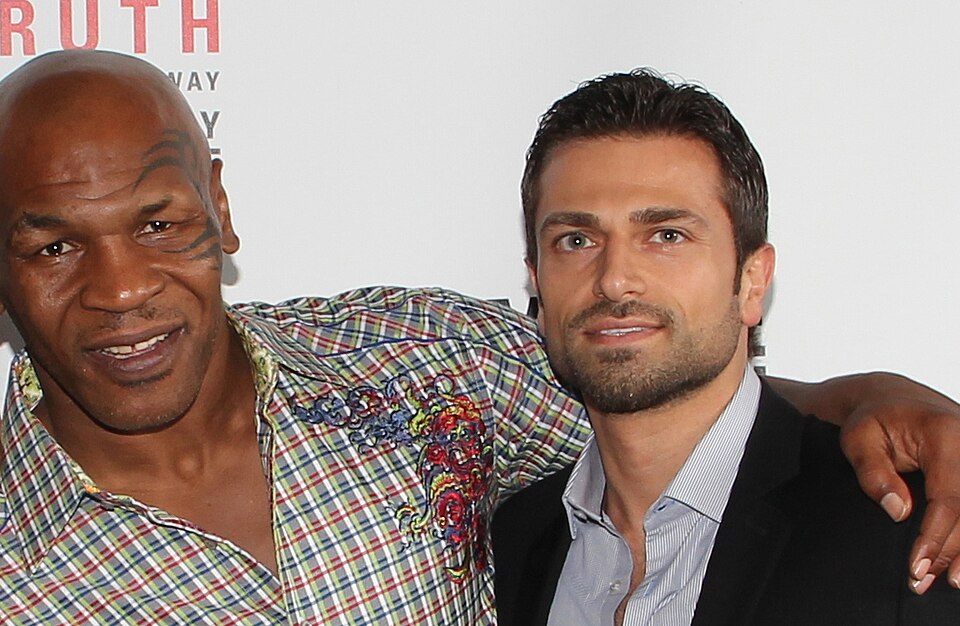
Mike Tyson went from destroying opponents in the ring to being destroyed by his own demons. Then a toad changed everything.
You've probably heard whispers about 5-MeO-DMT. Maybe you've wondered if those wild transformation stories are real.
Could something that sounds so out there actually help with the invisible wounds that won't heal? The brain fog that never lifts? The rage that comes from nowhere?
Yeah, those questions make total sense. Especially when traditional approaches haven't touched the real problem.
Here's what happened when boxing's most feared champion sat down with ESPN and revealed how "The Toad" helped him face decades of brain trauma and buried pain. His story isn't just about getting high - it's about getting free.
Let's start.
The ESPN Interview That Changed Everything
May 2019. Dan Le Batard sits across from Mike Tyson for ESPN's "Art of Conversation." This wasn't your typical sports interview with canned questions about training regimens and upcoming fights.
Le Batard had a different approach. He wanted to dig deeper, to understand the man behind the myth. And Tyson? He was ready to talk.
The interview started like any other. But then Tyson began describing his experience with something called "The Toad." His voice changed. His whole demeanor shifted.
You could see it in his eyes - this wasn't just another celebrity endorsement or trendy wellness hack.
"I took these drugs and it killed me," Tyson told Le Batard, his voice cracking with emotion. "There's no way I'm gonna survive this."
Wait, what?
Throughout parts of the interview, viewers noticed something unusual.
Tyson held a blunt in his left hand, a lighter in his right. Not hiding it. Not ashamed. Just present with where he was in his journey.
This vulnerability? It hit different.
Here was Iron Mike - the man who bit off Evander Holyfield's ear, who went to prison, who battled addiction for decades - sitting there talking about dying and being reborn. About meeting God. About finally understanding that all his fancy clothes and cars meant nothing.
Le Batard knew he'd struck gold. Not ratings gold - something deeper. He'd captured a moment of genuine transformation. The kind you can't script or stage.
Understanding 5-MeO-DMT - "The God Molecule"
So what exactly is this "Toad" that changed Tyson's life?
5-MeO-DMT is found in the secretion of the Sonoran Desert Toad (Bufo Alvarius). When threatened, this toad secretes a milky substance containing one of the most potent psychedelics known to humanity.
But here's the thing - you don't have to harm toads to access this compound. Synthetic versions work just as well, maybe better.
Unlike its cousin DMT, which sends you to technicolor dimensions full of machine elves and geometric patterns, 5-MeO-DMT strips everything away. No visuals. No distractions. Just pure consciousness meeting itself.
The experience lasts 15 to 60 minutes. But time? Time stops making sense. Those 15 minutes can feel like lifetimes. Or like no time at all.
Tyson described it perfectly: "dying and being reborn." Because that's what ego dissolution feels like. Your sense of self - all those stories you tell about who you are - just... disappears.
What's left? Everything. Nothing. The same thing, really.
Scientists are catching up to what indigenous peoples have known for centuries. Research shows 5-MeO-DMT can reduce anxiety and depression for weeks after a single session.
It promotes neuroplasticity - your brain's ability to rewire itself. For someone with brain trauma? That's huge.
But don't get it twisted. This isn't a party drug.
It's not about seeing pretty colors or having a good time. It's about confronting the deepest parts of yourself. The parts you've been running from your whole life.
Mike Tyson's Journey with Brain Trauma
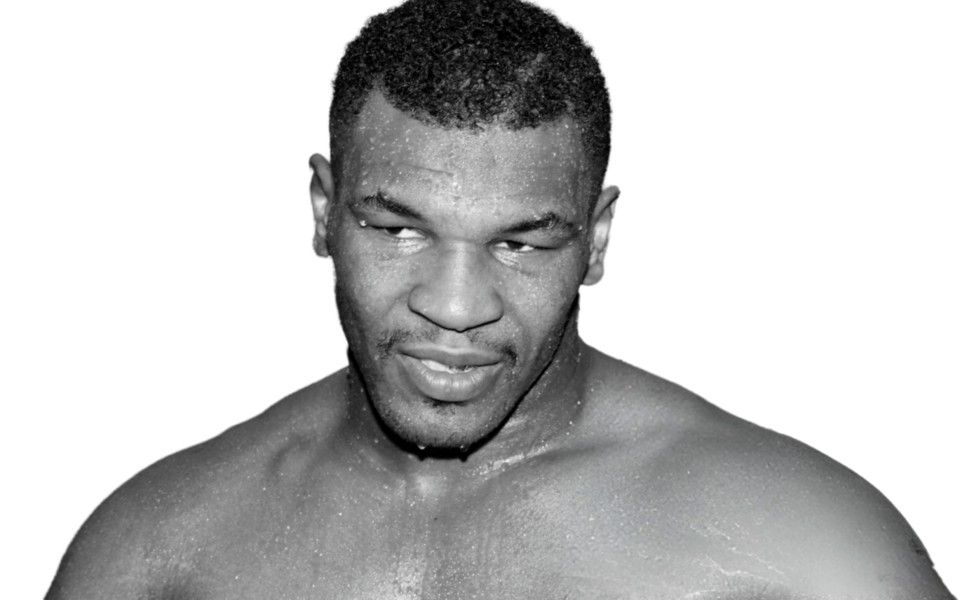
Let's talk about what decades of boxing does to a brain.
Every punch Tyson took - and he took plenty - caused his brain to slam against his skull.
Those blood vessels? They tear. Brain tissue gets damaged. It's called traumatic brain injury (TBI), and boxers know it all too well.
Doctors classify these injuries differently. A mild traumatic brain injury might mean a concussion that heals in weeks. But there's nothing mild about taking hundreds of them.
And then there's diffuse axonal injury - where the brain's wiring gets shredded from violent rotation. The kind boxers get when their heads snap back from an uppercut.
You've heard of Muhammad Ali's Parkinson's. That's what we call Chronic Traumatic Encephalopathy (CTE). It's what happens when those hits add up over years. The symptoms read like Tyson's biography: mood swings, aggression, depression, memory problems, poor impulse control.
Think about it. Tyson started boxing professionally at 18. By 20, he was the youngest heavyweight champion ever. For over two decades, his job was to hit and get hit. Hard.
Now imagine the same forces in motor vehicle crashes - a major cause of death and brain injury worldwide. At least in vehicle accidents, you're not going back for more the next week.
A single concussion can mess you up. Now multiply that by hundreds, maybe thousands of sub-concussive hits. Each one might seem minor - no knockout, no obvious injury. But the damage accumulates like compound interest on a debt you can't pay.
Experts who study boxing and brain health paint a grim picture. Dr. Charles Bernick's research shows that fighters' brains literally shrink over time. The thalamus and caudate - areas controlling movement and behavior - take the worst hits.
Older adults face even greater risks. Their brains have less cushioning, more fragile blood vessels. When Tyson returned to boxing at 58, every punch carried exponentially more danger than when he was 20.
Any doctor ordering a CT scan after a fight would see the cumulative damage - the scarring, the atrophy, the price of glory written in brain tissue.
Was Tyson's explosive temper just his personality? Or was it his battered brain struggling to regulate emotions? The rape conviction, the ear-biting incident, the substance abuse - how much was Mike, and how much was mild TBI manifesting as major life destruction?
We can't know for sure. But we know this: when your brain's been used as a punching bag for 20 years, something's gotta give.
The First Experience - Terror to Transformation
Picture this: Mike Tyson, the baddest man on the planet, absolutely terrified.
Dr. Gerardo Sandoval had offered him toad venom, describing it as "like free base where you jump into the heart of God and come back in 20 minutes." Tyson was game. He'd done acid at 11. Cocaine was his breakfast. How bad could it be?
Bad. Really bad. At first.
"I was just freaking out," Tyson recalled. "I don't wanna do this no more. I want it to stop. Too late. Couldn't stop."
The room exploded into Aztec symbols. Dead people appeared. His entire life flashed before him - not like a movie, but all at once. Every moment, every choice, every regret hitting simultaneously.
"I thought, I f-cked up. Oh, shit. I f-cked up. What was I trying to prove? I'm dead. I'm dead. It's over."
Fifteen minutes. That's all it lasted. But Tyson swears it felt like hours, maybe lifetimes. He was convinced the toad venom had killed him. That he'd thrown away everything for one more high.
His brain - already carrying decades of injury to the brain from boxing - was processing reality in ways that made no sense.
Then came the breakthrough.
"As soon as I realized I was nothing, all my fancy stuff didn't matter."
Nothing. He was nothing. And somehow, that nothingness contained everything. The terror transformed into... what? Peace? Understanding? Love?
When Tyson came back - and you do come back, even when you're sure you won't - he was different. Not just high-different. Fundamentally altered. Like someone had reached into his source code and deleted the bugs that had been running his whole life.
"When you think you know everything and then you realize you don't know anything, then it is a big awakening."
Healing Trauma Through Ego Death
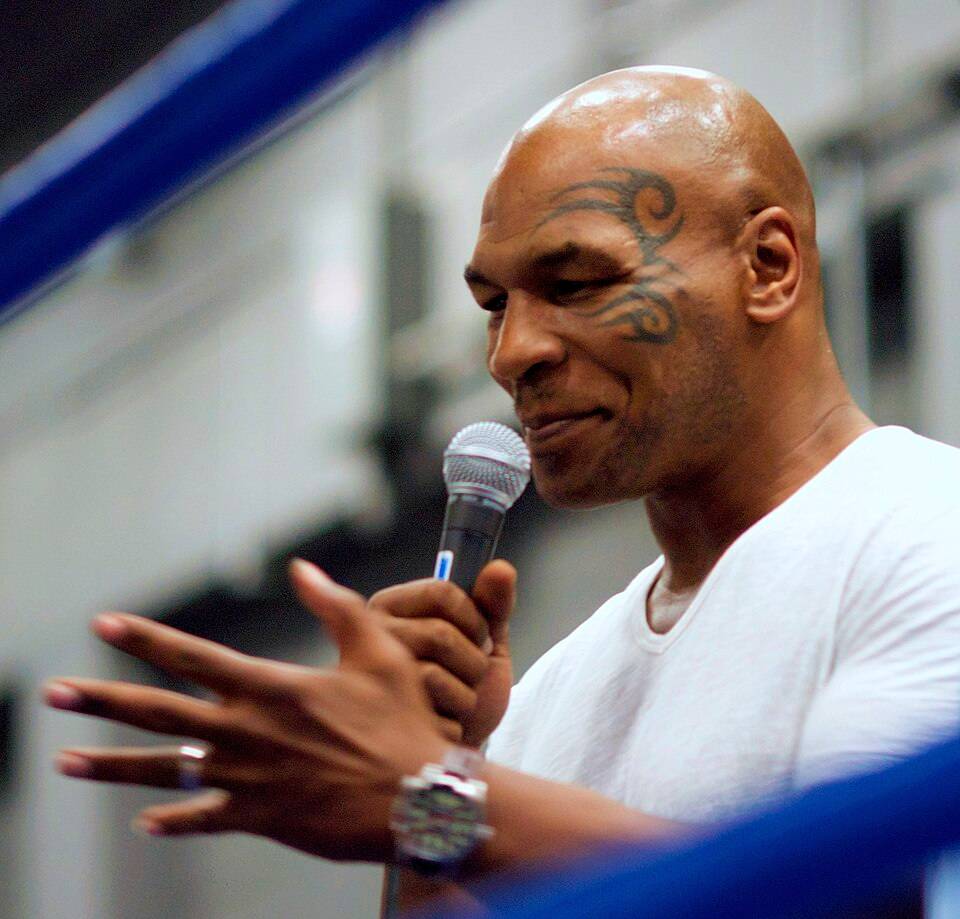
Tyson's trauma ran deep. Abandoned by his father. Lost his mother at 16. Bullied as a kid with a lisp. Sexual abuse. Violence everywhere he looked.
Boxing gave him power, but it also gave him more trauma. Every victory came with damage - to others, to himself. The money, the fame, the women - all just Band-Aids on wounds that wouldn't stop bleeding.
"I always had my cocaine, my alcoholism," Tyson admitted. "That was my main stuff. My cocaine and my alcohol. And my sex addiction. Sleeping with strangers and stuff. It just all goes together."
See, trauma doesn't just sit there quietly. It drives behavior. It whispers that you're not safe, that you need another hit, another conquest, another million dollars to finally feel okay.
5-MeO-DMT doesn't whisper back. It obliterates the conversation entirely.
When your ego dissolves - really dissolves - those trauma patterns have nowhere to attach. The story of "I'm broken because of what happened to me" can't survive when there's no "I" to be broken.
This isn't spiritual bypassing. Tyson didn't take toad venom once and skip away enlightened. He went back 80 to 90 times. Each session peeling another layer, facing another demon, releasing another piece of armor he didn't need anymore.
Research backs this up. Studies on psychedelics for PTSD show that ego dissolution correlates with healing. When the default mode network - the brain's "me, me, me" center - goes quiet, new connections form. Old patterns break. Healing happens.
But here's what's wild: Tyson kept going back. Not because he was chasing a high, but because he understood something most people miss. Real healing isn't a one-and-done deal.
It's a practice. A commitment to keep showing up, keep dissolving, keep rebuilding from a cleaner foundation.
Life After The Toad - Lasting Transformation
"I look at life differently, I look at people differently."
That's not just talk. Tyson's transformation shows in everything he does now. The man who once said the best punch he ever threw was to his wife's face? He's advocating for peace and love. And meaning it.
At 58, when most boxers are dealing with long-term brain damage, Tyson returned to the ring. Not for money or glory - he'd had plenty of both. The medicine told him to get in shape. Sounds crazy? Maybe. But when you've died and come back, you listen to different voices.
His relationship with his wife Kiki transformed too. She tried 5-MeO-DMT with an underground practitioner. "It's better when someone you love is with you," Tyson says. Instead of hiding his healing journey, he shared it. That's vulnerability. That's growth.
The rage that defined Iron Mike? Gone. Well, transformed. That energy didn't disappear - it shifted into advocacy, into helping others find their own healing. From destroying opponents to building bridges. From taking lives apart to putting them back together.
He still smokes cannabis. He's not claiming to be a saint or selling some perfect sobriety story. His transformation is messier, more human. He found what works for him.
"If psychedelics became legal, we'd have a whole different perspective on life," Tyson argues. "Everybody might start loving each other, and we don't want that, do we?"
That's Iron Mike in 2019 - cracking jokes about universal love. The same guy who once wanted to eat Lennox Lewis's children. If that's not transformation, what is?
The Bigger Picture - Athletes and Psychedelic Healing
Tyson isn't alone. Athletes are waking up to psychedelics as more than just another performance hack.
Former NHL player Riley Cote microdosed psilocybin for depression after his career ended. MMA fighter Ian McCall credited psychedelics with saving him from suicidal thoughts. Lamar Odom used them to break free from addiction.
Why athletes? Think about it. These people push their bodies to superhuman limits. They accumulate injuries - especially head injuries - like trophies. And when the cheering stops? They're left with broken bodies, foggy minds, and identities tied to games they can't play anymore.
Tony Robbins sat down with Tyson to compare notes. The self-help giant shared his ayahuasca experiences in the Amazon. Two titans of transformation, swapping stories about meeting God in plant medicine.
This isn't just about healing damage. It's about potential. Athletes understand peak performance. They know what it feels like to be in the zone, in flow. Psychedelics? They're like steroids for consciousness. Legal ones, in some places.
The NFL, with its epidemic of CTE cases, should be paying attention. So should the NHL, boxing commissions, and every sport where heads get hit. Current protocols focus on preventing further damage. What about healing what's already broken?
We're watching a shift. From psychedelics as counterculture to psychedelics as medicine. From underground to above board. Athletes like Tyson aren't just users - they're advocates, changing how we think about mental health in sports.
The Safety Question - Medical Supervision and Risk Factors
Let's get real about safety. Tyson's first experience? No medical supervision. Just him, a doctor friend, and a prayer. He got lucky.
Not everyone does.
5-MeO-DMT is powerful medicine. That power cuts both ways. For someone with traumatic brain injury, there are extra considerations. Those damaged blood vessels we talked about? Psychedelics can affect blood pressure. That bruised brain tissue? It might react differently than a healthy brain.
Here's what matters: screening and preparation. A good facilitator won't just hand you toad venom and wish you luck. They'll ask about your medical history, your medications, your mental state. They'll prepare you for what's coming. They'll stay with you through the experience.
All with experienced practitioners - though Tyson later learned the hard way about choosing the right ones. His later sessions? "You need a guide," he insists. Someone who's been there, who knows the territory, who can hold space when you're convinced you're dying.
The difference between recreational use and therapeutic settings is like the difference between street fighting and boxing. Both involve punches, but one has rules, referees, and medical staff standing by.
Contraindications are real. History of psychosis? Heart conditions? Certain medications? 5-MeO-DMT might not be for you. That's not gatekeeping - it's harm reduction.
Integration support might matter even more than the experience itself. You can't just blow your mind open and expect to function normally the next day. You need help making sense of what happened, applying insights to daily life, staying grounded when reality feels different.
Tyson's 80-90 sessions? That's what happens when you don't get proper integration support.
With the right guidance after each journey - the kind of structured integration Tyson didn't have - most people find profound transformation in far fewer sessions. He had to keep going back because no one helped him make sense of what he'd experienced.
Breaking Misconceptions - It's Not Just for "Broken" People
Here's what pisses people off: the idea that psychedelics are only for damaged folks. Like you need to be sufficiently messed up to earn your ticket to transformation.
Tyson sees it differently. Sure, he came to 5-MeO-DMT broken. But what he found wasn't just healing - it was optimization. Evolution. The next level of human potential.
Think about executives using 5-MeO-DMT for breakthrough insights. Artists accessing new creative dimensions. Regular people who aren't clinically depressed but know they're capable of more. This isn't about fixing what's broken. It's about unlocking what's possible.
"Life isn't over yet," Tyson says. "We're still fighting."
But the fight changed. Instead of fighting others, fighting himself, fighting his demons - he's fighting for expansion. For consciousness. For love, as cheesy as that sounds coming from Iron Mike.
High performers get this. They've already optimized their bodies, their routines, their diets. What's left? The mind. Consciousness itself. 5-MeO-DMT offers access to states that meditation might take decades to reach. If it takes decades at all.
The stigma is shifting. From "psychedelics are for hippies and burnouts" to "psychedelics are for anyone ready to level up." Tyson's openness helps. When the baddest man on the planet talks about meeting God and choosing love, it changes the conversation.
You don't need to be broken to benefit. You just need to be ready. Ready to let go, ready to see differently, ready to become more than you thought possible.
Practical Integration - How Tyson Maintains His Transformation
.jpg)
The real work starts when the ceremony ends. Ask anyone who's tried to maintain insights from a powerful experience - integration is everything.
Tyson didn't just take toad venom and magically become peaceful. He rebuilt his entire life around his transformation. Daily meditation became non-negotiable. Not some fancy technique - just sitting, breathing, remembering who he really is beneath the stories.
"Fear is your friend," Tyson says now. "Most people are not in control of their minds. Their mind is in control of them. The toad showed me how to change that."
Mindfulness sounds soft when you're talking about a heavyweight champion. But watch Tyson now. He catches himself before the old patterns kick in. That flash of anger? He sees it, acknowledges it, lets it pass. That's mindfulness in action.
Community matters too. Tyson surrounds himself with people who get it. His wife went on the journey with him. He connects with others who've met the toad. No one maintains transformation in isolation.
The old triggers still exist. Someone disrespects him? The old Mike wants to react. But there's space now. Space between stimulus and response. Space to choose differently.
Multiple sessions over time weren't about chasing the dragon. Each journey went deeper, cleared more debris, strengthened new neural pathways. It's like going to the gym - one workout won't make you strong. Consistent practice builds lasting change.
His lifestyle shifted to support integration. Less chaos, more structure. Less reaction, more reflection. The cannabis use? Part of his maintenance program. Not perfect by some standards, but perfect for him.
The Science Behind the Healing - What Research Shows
Let's talk neuroplasticity - your brain's ability to rewire itself. For years, scientists thought adult brains were fixed. Traumatic brain injury? You're stuck with the damage. That story's changing.
5-MeO-DMT floods the brain with serotonin activity, but differently than other psychedelics. It hits multiple receptor sites, creating what researchers call "neural flexibility." Old patterns become malleable. New connections form.
That 2019 study Tyson references? It showed significant reductions in depression, anxiety, and stress lasting weeks after a single dose. But here's what's really interesting: the benefits correlated with ego dissolution intensity. The more complete the "death," the greater the healing.
For TBI specifically, we're in early days research-wise. But the mechanisms make sense. Psychedelics reduce inflammation in brain tissue. They promote growth of new neurons. They help clear out cellular debris that accumulates after head injury.
5-MeO-DMT differs from other psychedelics neurologically. Less visual cortex activation, more default mode network suppression. It's like the difference between redecorating your house (other psychedelics) and burning it down to rebuild from the foundation (5-MeO-DMT).
The future of TBI treatment might live in this space. Not just managing symptoms with pharma cocktails, but actually healing the brain. Reversing damage we thought was permanent. Giving people their lives back.
We need more research. Longer studies. Brain scans of people like Tyson before and after their journeys. But the early data? It's promising as hell.
Tyson's Advice for Those Considering the Journey
"You gotta be ready to die."
That's Tyson's number one piece of advice. Not physically die - ego die. Everything you think you know about yourself? Be ready to let it go.
He's blunt about preparation. "This ain't no party drug." You need intention. Why are you doing this? What are you seeking? If the answer is "to get high," find something else.
Finding the right guide matters more than the medicine itself. Tyson wasted time with sketchy facilitators before finding real practitioners. "You need someone who's died a thousand times," he says. Someone who knows the territory, who won't panic when you panic.
Set and setting - the basics still apply. Your mindset going in shapes everything. The physical space needs to feel safe, sacred. This isn't something you do in a Vegas hotel room on a dare.
When people ask Tyson about his experience, he doesn't sugarcoat it. "It's terrifying. You think you're dying. You might see some shit that makes no sense. But if you surrender? If you really let go? That's when the magic happens."
He warns against expecting instant fixes. "I went back 80, 90 times. Each time showed me something new. It's not one-and-done unless you're playing games."
The integration advice is practical: "Whatever the medicine shows you, you gotta live it. Otherwise you're just another tourist in consciousness."
The Choice That Changes Everything
Maybe you're sitting there thinking, "Could this actually work for me?" Or wondering if those old wounds - the ones that won't heal no matter what you try - might finally release their grip.
Those questions? They're the beginning.
You've just witnessed Iron Mike's journey from rage to peace. From brain trauma to breakthrough. From thinking he knew everything to discovering he knew nothing - and finding freedom in that space.
The toad doesn't discriminate. It doesn't care about your past, your pain, or your diagnoses. It only asks one thing: Are you ready?
Ready to let go. Ready to heal. Ready to discover who you really are beneath the damage.
Your transformation is waiting. Book a Discovery Call
Mike Tyson went from destroying opponents in the ring to being destroyed by his own demons. Then a toad changed everything.
You've probably heard whispers about 5-MeO-DMT. Maybe you've wondered if those wild transformation stories are real.
Could something that sounds so out there actually help with the invisible wounds that won't heal? The brain fog that never lifts? The rage that comes from nowhere?
Yeah, those questions make total sense. Especially when traditional approaches haven't touched the real problem.
Here's what happened when boxing's most feared champion sat down with ESPN and revealed how "The Toad" helped him face decades of brain trauma and buried pain. His story isn't just about getting high - it's about getting free.
Let's start.
The ESPN Interview That Changed Everything
May 2019. Dan Le Batard sits across from Mike Tyson for ESPN's "Art of Conversation." This wasn't your typical sports interview with canned questions about training regimens and upcoming fights.
Le Batard had a different approach. He wanted to dig deeper, to understand the man behind the myth. And Tyson? He was ready to talk.
The interview started like any other. But then Tyson began describing his experience with something called "The Toad." His voice changed. His whole demeanor shifted.
You could see it in his eyes - this wasn't just another celebrity endorsement or trendy wellness hack.
"I took these drugs and it killed me," Tyson told Le Batard, his voice cracking with emotion. "There's no way I'm gonna survive this."
Wait, what?
Throughout parts of the interview, viewers noticed something unusual.
Tyson held a blunt in his left hand, a lighter in his right. Not hiding it. Not ashamed. Just present with where he was in his journey.
This vulnerability? It hit different.
Here was Iron Mike - the man who bit off Evander Holyfield's ear, who went to prison, who battled addiction for decades - sitting there talking about dying and being reborn. About meeting God. About finally understanding that all his fancy clothes and cars meant nothing.
Le Batard knew he'd struck gold. Not ratings gold - something deeper. He'd captured a moment of genuine transformation. The kind you can't script or stage.
Understanding 5-MeO-DMT - "The God Molecule"
So what exactly is this "Toad" that changed Tyson's life?
5-MeO-DMT is found in the secretion of the Sonoran Desert Toad (Bufo Alvarius). When threatened, this toad secretes a milky substance containing one of the most potent psychedelics known to humanity.
But here's the thing - you don't have to harm toads to access this compound. Synthetic versions work just as well, maybe better.
Unlike its cousin DMT, which sends you to technicolor dimensions full of machine elves and geometric patterns, 5-MeO-DMT strips everything away. No visuals. No distractions. Just pure consciousness meeting itself.
The experience lasts 15 to 60 minutes. But time? Time stops making sense. Those 15 minutes can feel like lifetimes. Or like no time at all.
Tyson described it perfectly: "dying and being reborn." Because that's what ego dissolution feels like. Your sense of self - all those stories you tell about who you are - just... disappears.
What's left? Everything. Nothing. The same thing, really.
Scientists are catching up to what indigenous peoples have known for centuries. Research shows 5-MeO-DMT can reduce anxiety and depression for weeks after a single session.
It promotes neuroplasticity - your brain's ability to rewire itself. For someone with brain trauma? That's huge.
But don't get it twisted. This isn't a party drug.
It's not about seeing pretty colors or having a good time. It's about confronting the deepest parts of yourself. The parts you've been running from your whole life.
Mike Tyson's Journey with Brain Trauma
Let's talk about what decades of boxing does to a brain.
Every punch Tyson took - and he took plenty - caused his brain to slam against his skull.
Those blood vessels? They tear. Brain tissue gets damaged. It's called traumatic brain injury (TBI), and boxers know it all too well.
Doctors classify these injuries differently. A mild traumatic brain injury might mean a concussion that heals in weeks. But there's nothing mild about taking hundreds of them.
And then there's diffuse axonal injury - where the brain's wiring gets shredded from violent rotation. The kind boxers get when their heads snap back from an uppercut.
You've heard of Muhammad Ali's Parkinson's. That's what we call Chronic Traumatic Encephalopathy (CTE). It's what happens when those hits add up over years. The symptoms read like Tyson's biography: mood swings, aggression, depression, memory problems, poor impulse control.
Think about it. Tyson started boxing professionally at 18. By 20, he was the youngest heavyweight champion ever. For over two decades, his job was to hit and get hit. Hard.
Now imagine the same forces in motor vehicle crashes - a major cause of death and brain injury worldwide. At least in vehicle accidents, you're not going back for more the next week.
A single concussion can mess you up. Now multiply that by hundreds, maybe thousands of sub-concussive hits. Each one might seem minor - no knockout, no obvious injury. But the damage accumulates like compound interest on a debt you can't pay.
Experts who study boxing and brain health paint a grim picture. Dr. Charles Bernick's research shows that fighters' brains literally shrink over time. The thalamus and caudate - areas controlling movement and behavior - take the worst hits.
Older adults face even greater risks. Their brains have less cushioning, more fragile blood vessels. When Tyson returned to boxing at 58, every punch carried exponentially more danger than when he was 20.
Any doctor ordering a CT scan after a fight would see the cumulative damage - the scarring, the atrophy, the price of glory written in brain tissue.
Was Tyson's explosive temper just his personality? Or was it his battered brain struggling to regulate emotions? The rape conviction, the ear-biting incident, the substance abuse - how much was Mike, and how much was mild TBI manifesting as major life destruction?
We can't know for sure. But we know this: when your brain's been used as a punching bag for 20 years, something's gotta give.
The First Experience - Terror to Transformation
Picture this: Mike Tyson, the baddest man on the planet, absolutely terrified.
Dr. Gerardo Sandoval had offered him toad venom, describing it as "like free base where you jump into the heart of God and come back in 20 minutes." Tyson was game. He'd done acid at 11. Cocaine was his breakfast. How bad could it be?
Bad. Really bad. At first.
"I was just freaking out," Tyson recalled. "I don't wanna do this no more. I want it to stop. Too late. Couldn't stop."
The room exploded into Aztec symbols. Dead people appeared. His entire life flashed before him - not like a movie, but all at once. Every moment, every choice, every regret hitting simultaneously.
"I thought, I f-cked up. Oh, shit. I f-cked up. What was I trying to prove? I'm dead. I'm dead. It's over."
Fifteen minutes. That's all it lasted. But Tyson swears it felt like hours, maybe lifetimes. He was convinced the toad venom had killed him. That he'd thrown away everything for one more high.
His brain - already carrying decades of injury to the brain from boxing - was processing reality in ways that made no sense.
Then came the breakthrough.
"As soon as I realized I was nothing, all my fancy stuff didn't matter."
Nothing. He was nothing. And somehow, that nothingness contained everything. The terror transformed into... what? Peace? Understanding? Love?
When Tyson came back - and you do come back, even when you're sure you won't - he was different. Not just high-different. Fundamentally altered. Like someone had reached into his source code and deleted the bugs that had been running his whole life.
"When you think you know everything and then you realize you don't know anything, then it is a big awakening."
Healing Trauma Through Ego Death
Tyson's trauma ran deep. Abandoned by his father. Lost his mother at 16. Bullied as a kid with a lisp. Sexual abuse. Violence everywhere he looked.
Boxing gave him power, but it also gave him more trauma. Every victory came with damage - to others, to himself. The money, the fame, the women - all just Band-Aids on wounds that wouldn't stop bleeding.
"I always had my cocaine, my alcoholism," Tyson admitted. "That was my main stuff. My cocaine and my alcohol. And my sex addiction. Sleeping with strangers and stuff. It just all goes together."
See, trauma doesn't just sit there quietly. It drives behavior. It whispers that you're not safe, that you need another hit, another conquest, another million dollars to finally feel okay.
5-MeO-DMT doesn't whisper back. It obliterates the conversation entirely.
When your ego dissolves - really dissolves - those trauma patterns have nowhere to attach. The story of "I'm broken because of what happened to me" can't survive when there's no "I" to be broken.
This isn't spiritual bypassing. Tyson didn't take toad venom once and skip away enlightened. He went back 80 to 90 times. Each session peeling another layer, facing another demon, releasing another piece of armor he didn't need anymore.
Research backs this up. Studies on psychedelics for PTSD show that ego dissolution correlates with healing. When the default mode network - the brain's "me, me, me" center - goes quiet, new connections form. Old patterns break. Healing happens.
But here's what's wild: Tyson kept going back. Not because he was chasing a high, but because he understood something most people miss. Real healing isn't a one-and-done deal.
It's a practice. A commitment to keep showing up, keep dissolving, keep rebuilding from a cleaner foundation.
Life After The Toad - Lasting Transformation
"I look at life differently, I look at people differently."
That's not just talk. Tyson's transformation shows in everything he does now. The man who once said the best punch he ever threw was to his wife's face? He's advocating for peace and love. And meaning it.
At 58, when most boxers are dealing with long-term brain damage, Tyson returned to the ring. Not for money or glory - he'd had plenty of both. The medicine told him to get in shape. Sounds crazy? Maybe. But when you've died and come back, you listen to different voices.
His relationship with his wife Kiki transformed too. She tried 5-MeO-DMT with an underground practitioner. "It's better when someone you love is with you," Tyson says. Instead of hiding his healing journey, he shared it. That's vulnerability. That's growth.
The rage that defined Iron Mike? Gone. Well, transformed. That energy didn't disappear - it shifted into advocacy, into helping others find their own healing. From destroying opponents to building bridges. From taking lives apart to putting them back together.
He still smokes cannabis. He's not claiming to be a saint or selling some perfect sobriety story. His transformation is messier, more human. He found what works for him.
"If psychedelics became legal, we'd have a whole different perspective on life," Tyson argues. "Everybody might start loving each other, and we don't want that, do we?"
That's Iron Mike in 2019 - cracking jokes about universal love. The same guy who once wanted to eat Lennox Lewis's children. If that's not transformation, what is?
The Bigger Picture - Athletes and Psychedelic Healing
Tyson isn't alone. Athletes are waking up to psychedelics as more than just another performance hack.
Former NHL player Riley Cote microdosed psilocybin for depression after his career ended. MMA fighter Ian McCall credited psychedelics with saving him from suicidal thoughts. Lamar Odom used them to break free from addiction.
Why athletes? Think about it. These people push their bodies to superhuman limits. They accumulate injuries - especially head injuries - like trophies. And when the cheering stops? They're left with broken bodies, foggy minds, and identities tied to games they can't play anymore.
Tony Robbins sat down with Tyson to compare notes. The self-help giant shared his ayahuasca experiences in the Amazon. Two titans of transformation, swapping stories about meeting God in plant medicine.
This isn't just about healing damage. It's about potential. Athletes understand peak performance. They know what it feels like to be in the zone, in flow. Psychedelics? They're like steroids for consciousness. Legal ones, in some places.
The NFL, with its epidemic of CTE cases, should be paying attention. So should the NHL, boxing commissions, and every sport where heads get hit. Current protocols focus on preventing further damage. What about healing what's already broken?
We're watching a shift. From psychedelics as counterculture to psychedelics as medicine. From underground to above board. Athletes like Tyson aren't just users - they're advocates, changing how we think about mental health in sports.
The Safety Question - Medical Supervision and Risk Factors
Let's get real about safety. Tyson's first experience? No medical supervision. Just him, a doctor friend, and a prayer. He got lucky.
Not everyone does.
5-MeO-DMT is powerful medicine. That power cuts both ways. For someone with traumatic brain injury, there are extra considerations. Those damaged blood vessels we talked about? Psychedelics can affect blood pressure. That bruised brain tissue? It might react differently than a healthy brain.
Here's what matters: screening and preparation. A good facilitator won't just hand you toad venom and wish you luck. They'll ask about your medical history, your medications, your mental state. They'll prepare you for what's coming. They'll stay with you through the experience.
All with experienced practitioners - though Tyson later learned the hard way about choosing the right ones. His later sessions? "You need a guide," he insists. Someone who's been there, who knows the territory, who can hold space when you're convinced you're dying.
The difference between recreational use and therapeutic settings is like the difference between street fighting and boxing. Both involve punches, but one has rules, referees, and medical staff standing by.
Contraindications are real. History of psychosis? Heart conditions? Certain medications? 5-MeO-DMT might not be for you. That's not gatekeeping - it's harm reduction.
Integration support might matter even more than the experience itself. You can't just blow your mind open and expect to function normally the next day. You need help making sense of what happened, applying insights to daily life, staying grounded when reality feels different.
Tyson's 80-90 sessions? That's what happens when you don't get proper integration support.
With the right guidance after each journey - the kind of structured integration Tyson didn't have - most people find profound transformation in far fewer sessions. He had to keep going back because no one helped him make sense of what he'd experienced.
Breaking Misconceptions - It's Not Just for "Broken" People
Here's what pisses people off: the idea that psychedelics are only for damaged folks. Like you need to be sufficiently messed up to earn your ticket to transformation.
Tyson sees it differently. Sure, he came to 5-MeO-DMT broken. But what he found wasn't just healing - it was optimization. Evolution. The next level of human potential.
Think about executives using 5-MeO-DMT for breakthrough insights. Artists accessing new creative dimensions. Regular people who aren't clinically depressed but know they're capable of more. This isn't about fixing what's broken. It's about unlocking what's possible.
"Life isn't over yet," Tyson says. "We're still fighting."
But the fight changed. Instead of fighting others, fighting himself, fighting his demons - he's fighting for expansion. For consciousness. For love, as cheesy as that sounds coming from Iron Mike.
High performers get this. They've already optimized their bodies, their routines, their diets. What's left? The mind. Consciousness itself. 5-MeO-DMT offers access to states that meditation might take decades to reach. If it takes decades at all.
The stigma is shifting. From "psychedelics are for hippies and burnouts" to "psychedelics are for anyone ready to level up." Tyson's openness helps. When the baddest man on the planet talks about meeting God and choosing love, it changes the conversation.
You don't need to be broken to benefit. You just need to be ready. Ready to let go, ready to see differently, ready to become more than you thought possible.
Practical Integration - How Tyson Maintains His Transformation
The real work starts when the ceremony ends. Ask anyone who's tried to maintain insights from a powerful experience - integration is everything.
Tyson didn't just take toad venom and magically become peaceful. He rebuilt his entire life around his transformation. Daily meditation became non-negotiable. Not some fancy technique - just sitting, breathing, remembering who he really is beneath the stories.
"Fear is your friend," Tyson says now. "Most people are not in control of their minds. Their mind is in control of them. The toad showed me how to change that."
Mindfulness sounds soft when you're talking about a heavyweight champion. But watch Tyson now. He catches himself before the old patterns kick in. That flash of anger? He sees it, acknowledges it, lets it pass. That's mindfulness in action.
Community matters too. Tyson surrounds himself with people who get it. His wife went on the journey with him. He connects with others who've met the toad. No one maintains transformation in isolation.
The old triggers still exist. Someone disrespects him? The old Mike wants to react. But there's space now. Space between stimulus and response. Space to choose differently.
Multiple sessions over time weren't about chasing the dragon. Each journey went deeper, cleared more debris, strengthened new neural pathways. It's like going to the gym - one workout won't make you strong. Consistent practice builds lasting change.
His lifestyle shifted to support integration. Less chaos, more structure. Less reaction, more reflection. The cannabis use? Part of his maintenance program. Not perfect by some standards, but perfect for him.
The Science Behind the Healing - What Research Shows
Let's talk neuroplasticity - your brain's ability to rewire itself. For years, scientists thought adult brains were fixed. Traumatic brain injury? You're stuck with the damage. That story's changing.
5-MeO-DMT floods the brain with serotonin activity, but differently than other psychedelics. It hits multiple receptor sites, creating what researchers call "neural flexibility." Old patterns become malleable. New connections form.
That 2019 study Tyson references? It showed significant reductions in depression, anxiety, and stress lasting weeks after a single dose. But here's what's really interesting: the benefits correlated with ego dissolution intensity. The more complete the "death," the greater the healing.
For TBI specifically, we're in early days research-wise. But the mechanisms make sense. Psychedelics reduce inflammation in brain tissue. They promote growth of new neurons. They help clear out cellular debris that accumulates after head injury.
5-MeO-DMT differs from other psychedelics neurologically. Less visual cortex activation, more default mode network suppression. It's like the difference between redecorating your house (other psychedelics) and burning it down to rebuild from the foundation (5-MeO-DMT).
The future of TBI treatment might live in this space. Not just managing symptoms with pharma cocktails, but actually healing the brain. Reversing damage we thought was permanent. Giving people their lives back.
We need more research. Longer studies. Brain scans of people like Tyson before and after their journeys. But the early data? It's promising as hell.
Tyson's Advice for Those Considering the Journey
"You gotta be ready to die."
That's Tyson's number one piece of advice. Not physically die - ego die. Everything you think you know about yourself? Be ready to let it go.
He's blunt about preparation. "This ain't no party drug." You need intention. Why are you doing this? What are you seeking? If the answer is "to get high," find something else.
Finding the right guide matters more than the medicine itself. Tyson wasted time with sketchy facilitators before finding real practitioners. "You need someone who's died a thousand times," he says. Someone who knows the territory, who won't panic when you panic.
Set and setting - the basics still apply. Your mindset going in shapes everything. The physical space needs to feel safe, sacred. This isn't something you do in a Vegas hotel room on a dare.
When people ask Tyson about his experience, he doesn't sugarcoat it. "It's terrifying. You think you're dying. You might see some shit that makes no sense. But if you surrender? If you really let go? That's when the magic happens."
He warns against expecting instant fixes. "I went back 80, 90 times. Each time showed me something new. It's not one-and-done unless you're playing games."
The integration advice is practical: "Whatever the medicine shows you, you gotta live it. Otherwise you're just another tourist in consciousness."
The Choice That Changes Everything
Maybe you're sitting there thinking, "Could this actually work for me?" Or wondering if those old wounds - the ones that won't heal no matter what you try - might finally release their grip.
Those questions? They're the beginning.
You've just witnessed Iron Mike's journey from rage to peace. From brain trauma to breakthrough. From thinking he knew everything to discovering he knew nothing - and finding freedom in that space.
The toad doesn't discriminate. It doesn't care about your past, your pain, or your diagnoses. It only asks one thing: Are you ready?
Ready to let go. Ready to heal. Ready to discover who you really are beneath the damage.
Your transformation is waiting. Book a Discovery Call